Leaderboard




Popular Content
Showing content with the highest reputation since 10/16/2026 in Posts
-
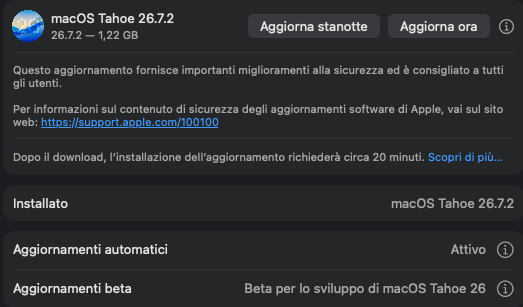
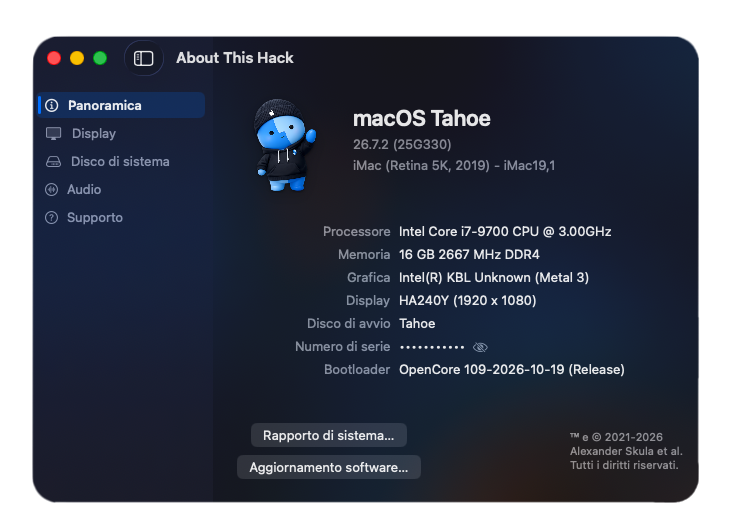
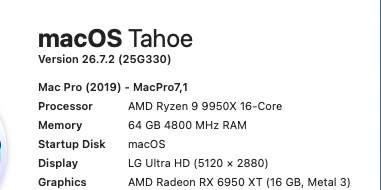
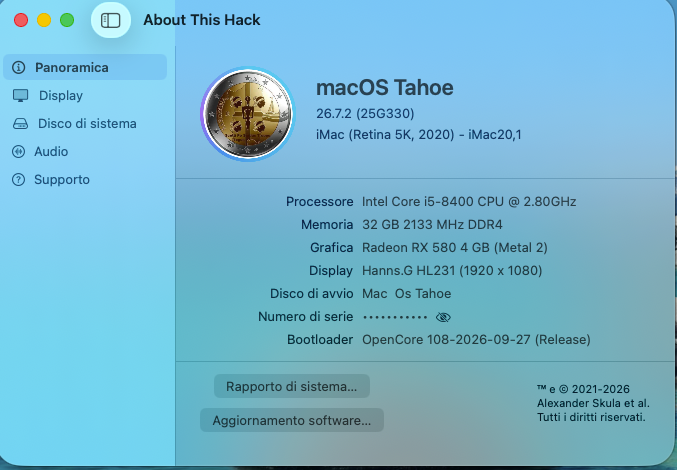
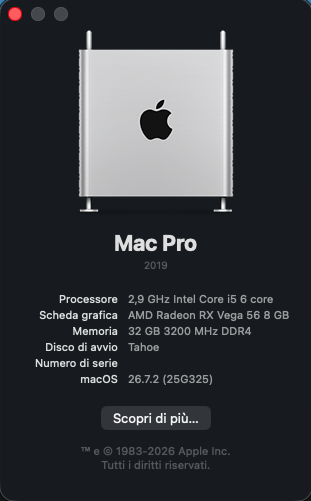
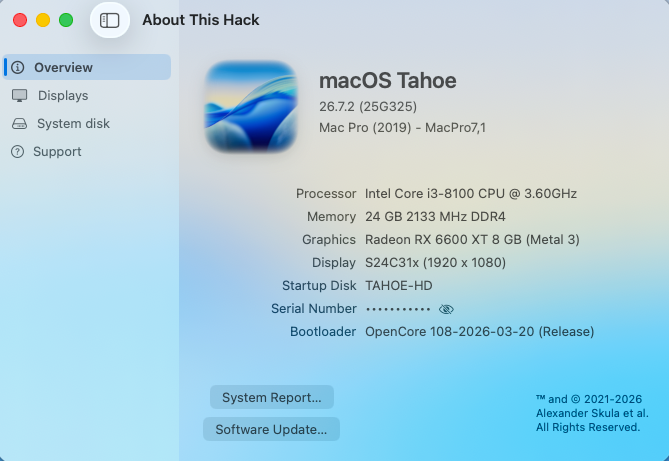
macOS Tahoe 26.7.2 (25G330)
 4 points
 -
anche AMD procede serenamente verso l'ultimo epitaffio 🙂
3 points
-
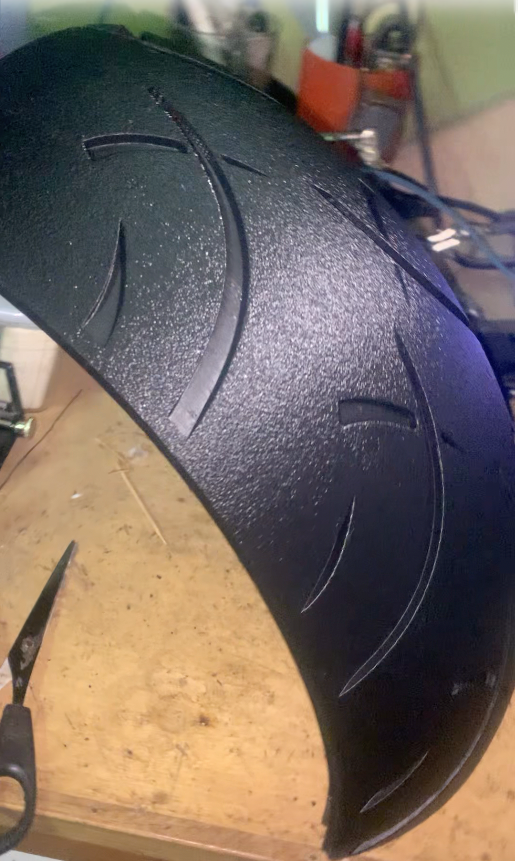
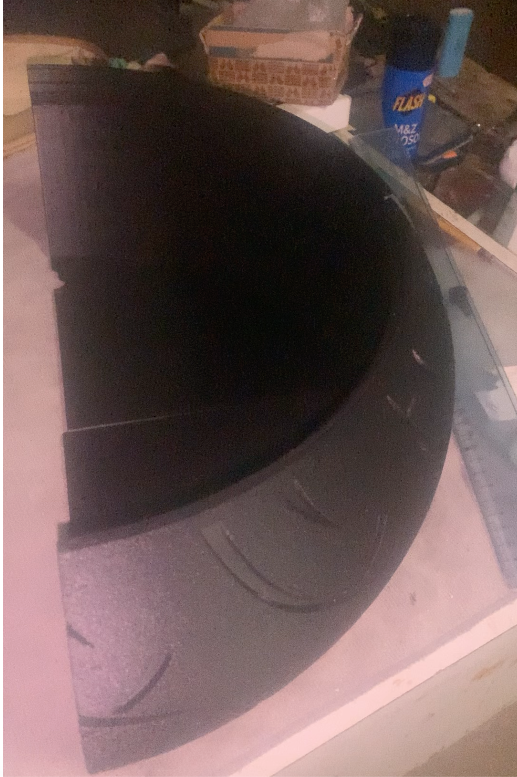
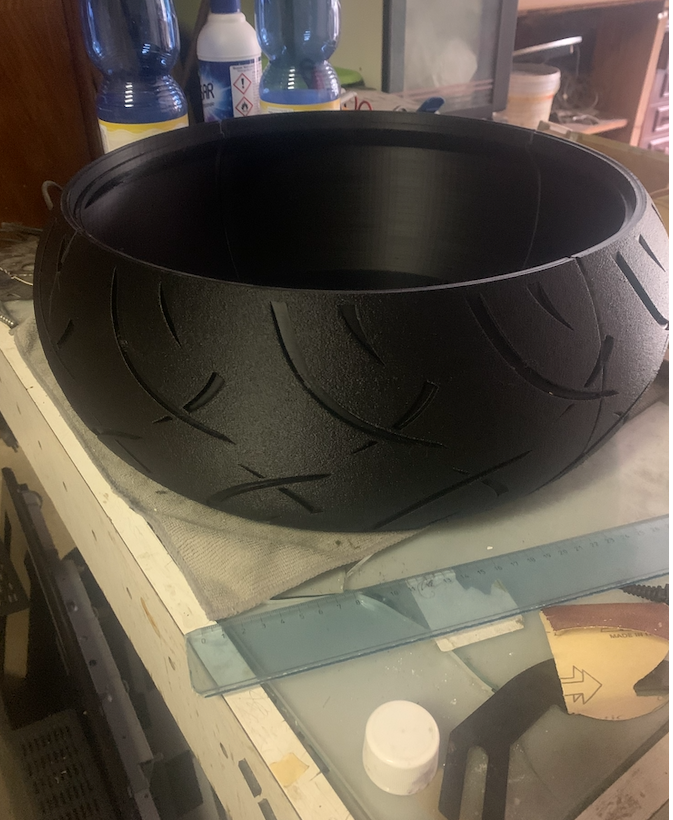
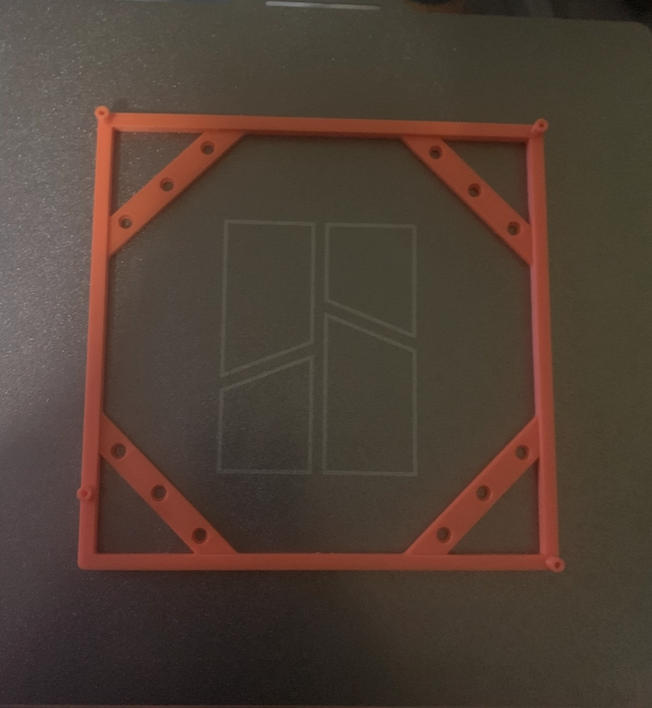
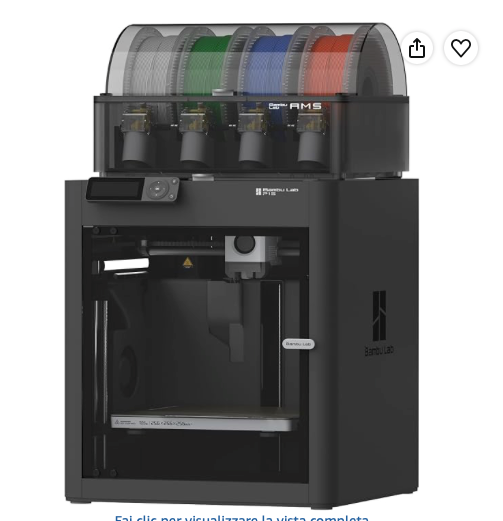
ho iniziato il progetto del mio mod questa macchina è favolosa, definizione top, ho dovuto divedere in 4 parti il progetto per per far entrare il progetto, comunque con il software in dotazione gratuito Bambu studio e Maker lab , si può gestire benissimo anche da remoto potete anche scaricarlo voi ha una libreria infinita di progetti fatti e modificabili, in più con MAKER LAB si possono creare 3d da png o jpg preparo gli innesti per unire le parti piastra per mini itx work in progress-------------------
3 points
-
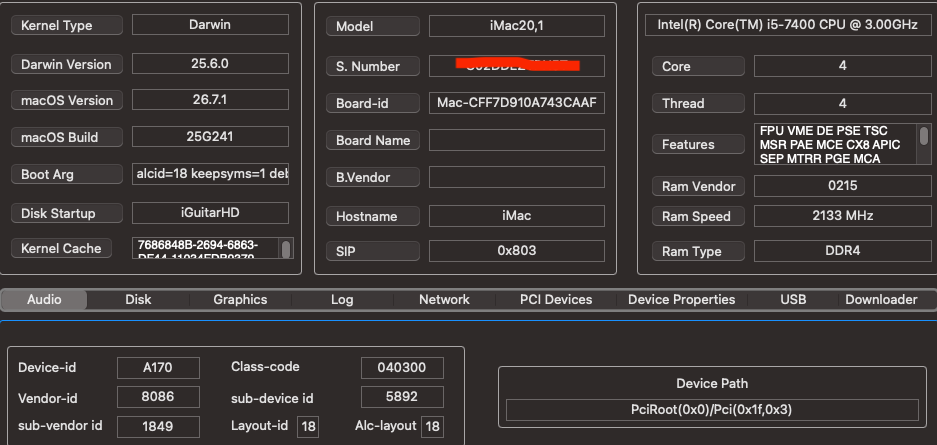
macOS Tahoe 26.7.2 - 25G330 - 👍
2 points
-
Senza nulla togliere al " mastro birraio " 😆 perche' non usare AppleHda / ALC originale ? Con SimpleHda sempre firmato laobamac_yyds 💪 https://macos86.it/topic/7840-simplehda/#comment-1612522 points
-
Eccomi. Nel mio sistema l'aggiornamento va un po a rilento forse perché sistema si un nvme esterno. Comunque ci sono 🙂
2 points
-
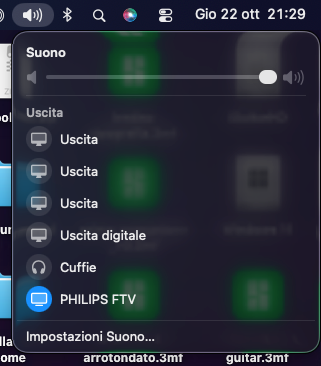
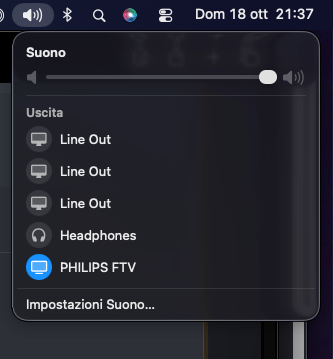
questo per Tahoe è perfetto insieme a AppleALC.kext HDAUniversal mi creava qualche ritardo sui toni di sistema, quindi ora su iGuitar vado liscio senza OCLP
1 point
-
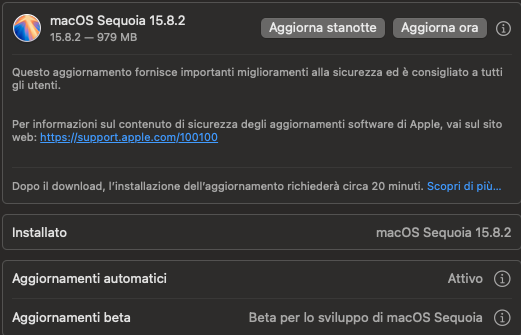
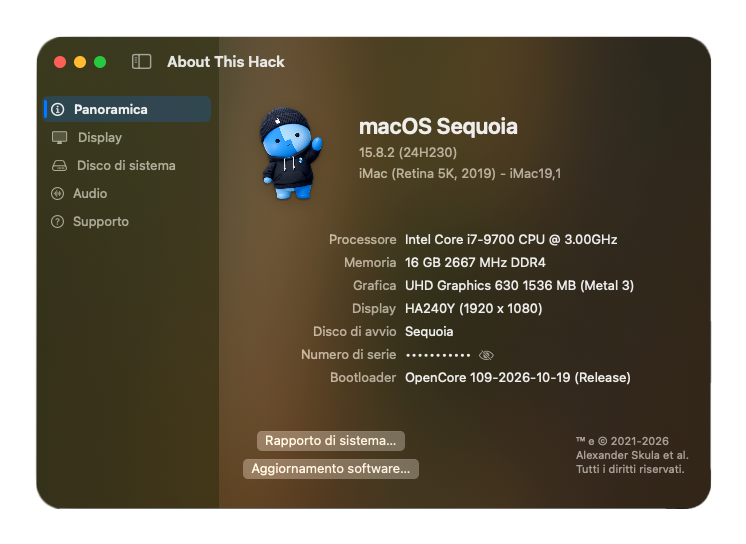
macOS Sequoia 15.8.2 (24H230)
1 point
-
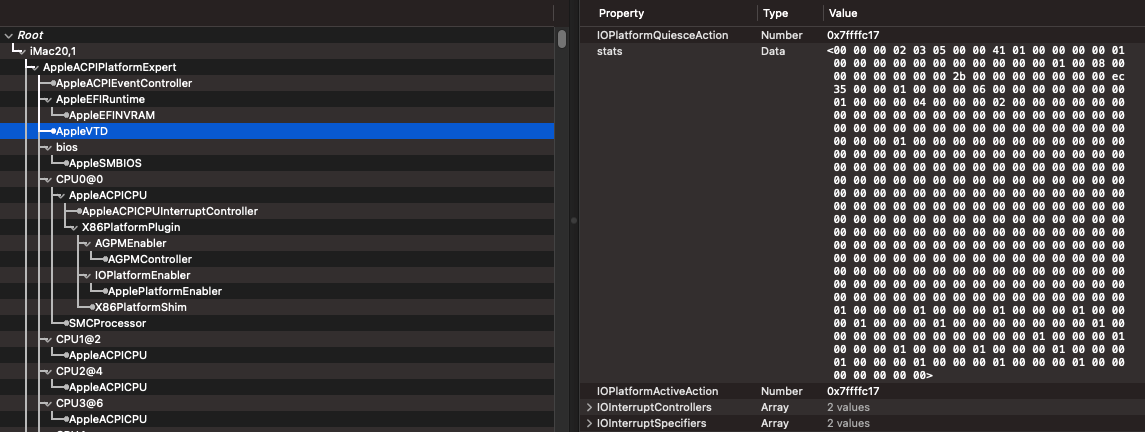
aggiornato diretto senza OCLP, wifi intel con nuovo kext di laobamac_yyds e AppleVTD attivo e HdAUniversal del mastro birraio
1 point
-
per il mio 19esimo compleanno mi sto facendo un regalo, mi ha sempre affascinato e per iniziare mi sembra un traguardo che ne pensate, se qualcuno ha esperienza dite pure
1 point
-
1 point
-
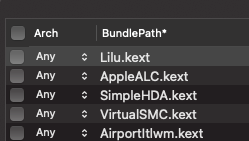
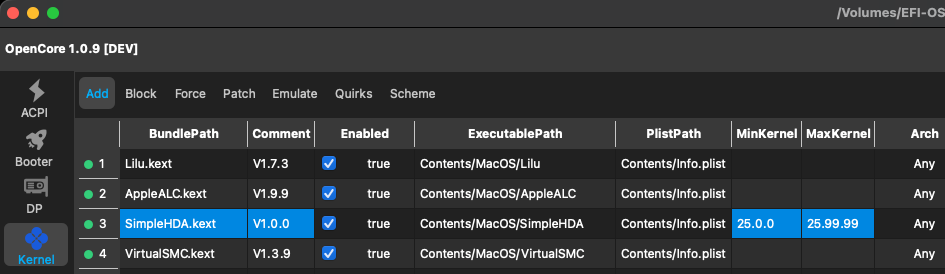
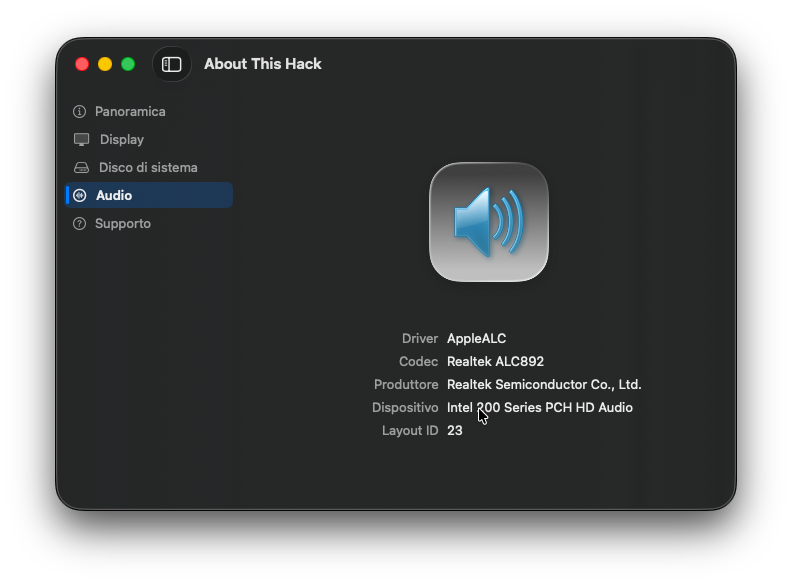
SimpleHDA by laobamac 🙏 E' un plugin di Lilu che ripristina / Inietta AppleHDA ( ALC ) originale direttamente tramite OpenCore su Tahoe , senza Patch di Root ( Oclp , KDK ... ) Download Diretto : https://github.com/laobamac/SimpleHDA/releases/tag/v1.0.0 ! Rimuovere altre soluzioni di ripristino di AppleHDA o patch di root prima dell'installazione, per evitare di caricare lo stack due volte. ! Estrarre e copiare `SimpleHDA.kext` in `EFI/OC/Kexts`. Aggiungerlo al plist , alla sezione `Kernel → Add` seguendo questo ordine: Lilu → AppleALC → SimpleHDA . Limitare il caricamento del Kext a Tahoe impostando MinKernel 25.0.0 | MaxKernel 25.99.99 Aggiungere in boot-args : keepsyms=1 Aggiungere in boot-args : shda-lang=it ( per non avere il testo in Cinese nel " pannello audio " ) Edit : La lingua di Sistema viene rilevata per impostazione predefinita dalla variabile in NVRAM -> 7C436110-AB2A-4BBB-A880-FE41995C9F82 " prev-lang:kbd " ( es. it:04 ) Se il campo e' vuoto di default verra' impostata " zh_CN" Cinese
1 point
-
eccomi pure io
1 point