All Activity
- Today
-
Yes, I did try that, and I went quite deep into it. I worked through the ACPI and EFI side, dumped the relevant addresses with different tools, checked the drivers, and looked at the address tables to see whether I could patch or override the thermal behavior there. So the usual PROCHOT / ACPI / EFI path was definitely part of the process and not something I skipped. From what I found, though, that was not the real blocker. The actual problem seems to sit deeper in the platform. The temperature sensor path appears to be handled through the embedded controller, most likely over SPI/eSPI, which means the important logic is not really exposed in a way that can be cleanly patched through EFI or ACPI alone. I could inspect parts of the firmware-facing side, but I had no real access to the controller logic that actually handles the sensor behavior and triggers the throttling response. I was able to confirm the sensor behavior under Windows with a sensor tool. That tool even offers a slower protocol mode, and when I warmed up the area slightly, I could clearly see the temperature rising there. So the sensor itself was definitely reacting. The interesting part was that it did not behave the same way under Windows as it did under macOS. Under Windows, the whole system was much more usable, and the thermal reaction kicked in noticeably later. Under macOS, the throttling was far more aggressive and started too early, which is why I believe Windows is applying a different thermal policy or handling the controller path differently. If that same behavior could be reproduced under macOS, the device would probably be fine. I also tested this across three different mainboards and saw the same pattern every time, so it was not just a one-off faulty board. I tried a hardware-side fix for the sensor as well, but that did not solve it reliably, especially once the case was closed again. I also looked into solving it in software, but without proper access to the embedded controller or its command set, there was no safe or reliable way to change the reported values or the thermal thresholds. So yes, I tried the EFI / ACPI / driver route. I tried reading and analyzing the relevant addresses and tables. I verified the sensor behavior under Windows. I tested multiple boards. I even tried a hardware fix. In the end, the real limitation was that the decisive thermal behavior seems to be controlled behind the embedded controller, and without access to that layer, I could not properly solve it. That is why I eventually shelved the project. It was not because macOS itself would not run. It was because the thermal path was being handled in a way I could analyze to a point, but not truly control.
-
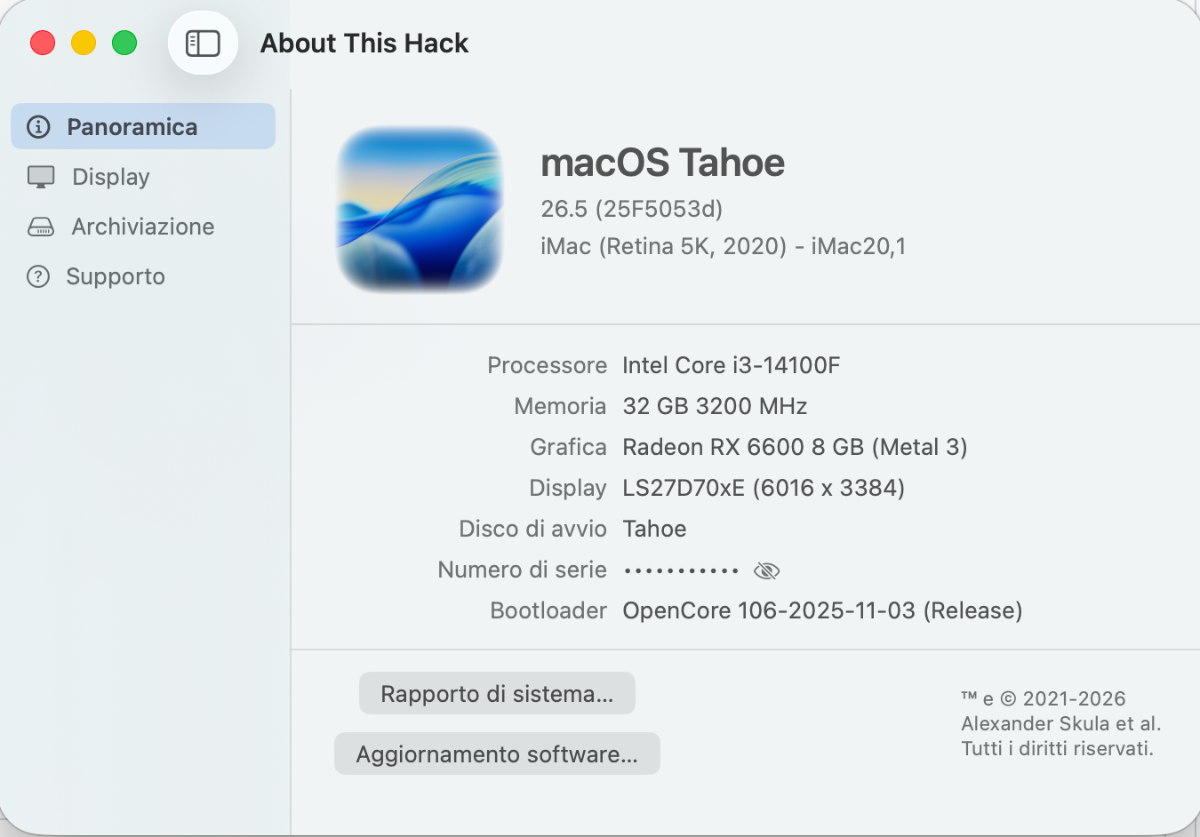
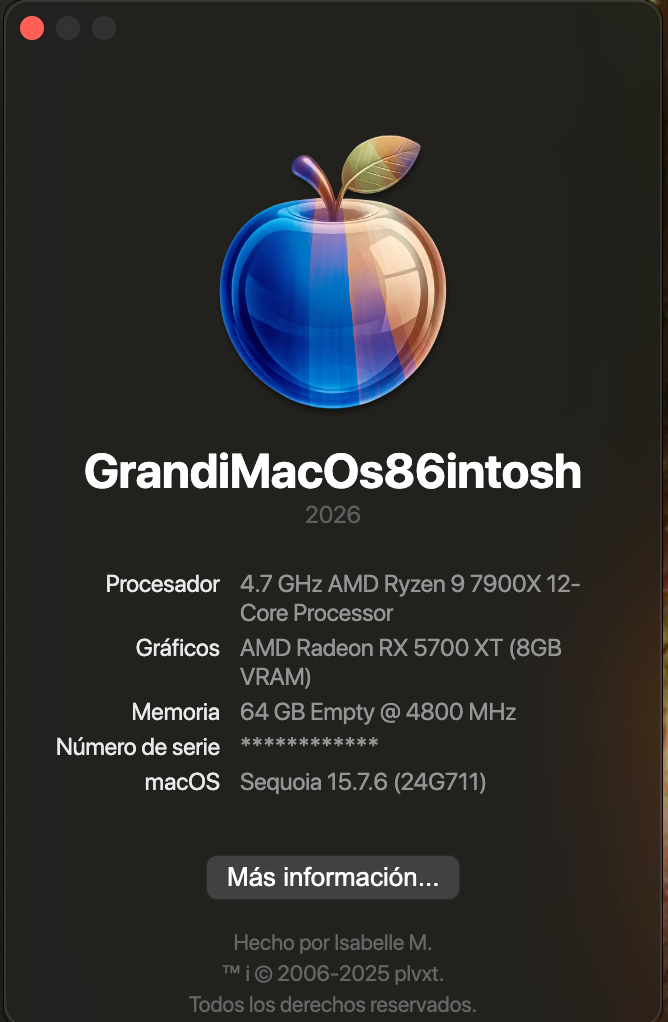
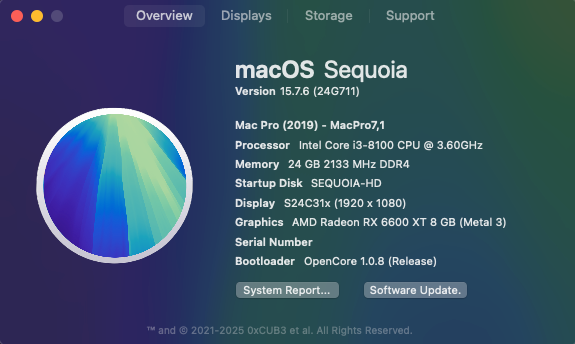
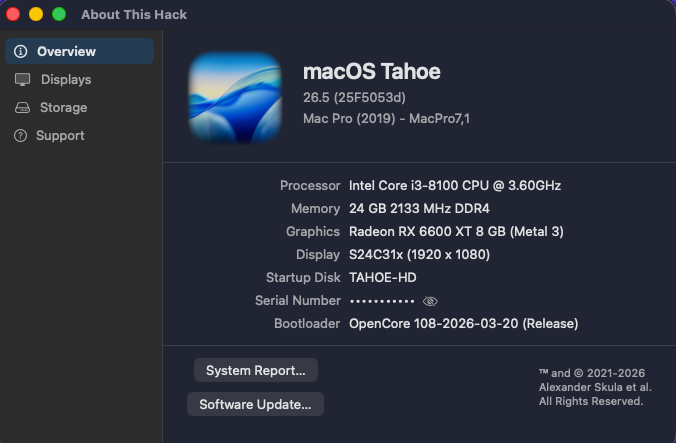
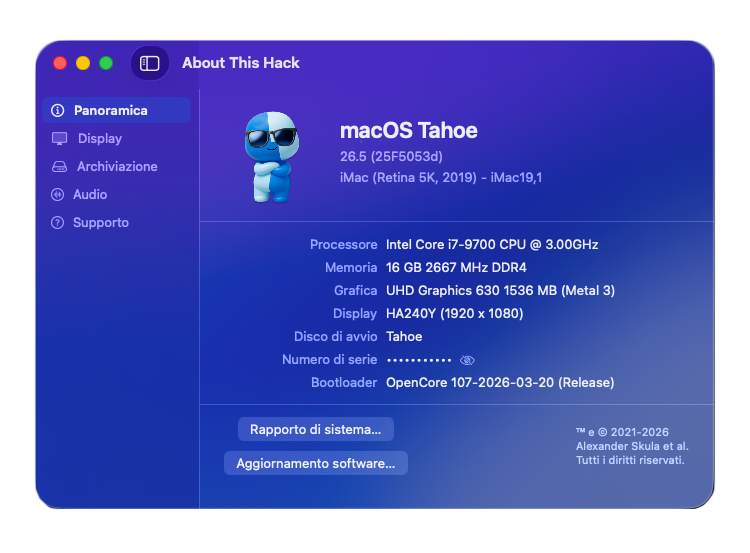
https://github.com/perez987/About-This-Hack/releases/tag/4.2.0
-

-
Buongiorno @Anto65 potresti darmi il link di questo immaggine di rapporto
- Yesterday
-
Did you try the prochot disable in EFI by ACPI or EFI driver? I have seen ppl doing both
-
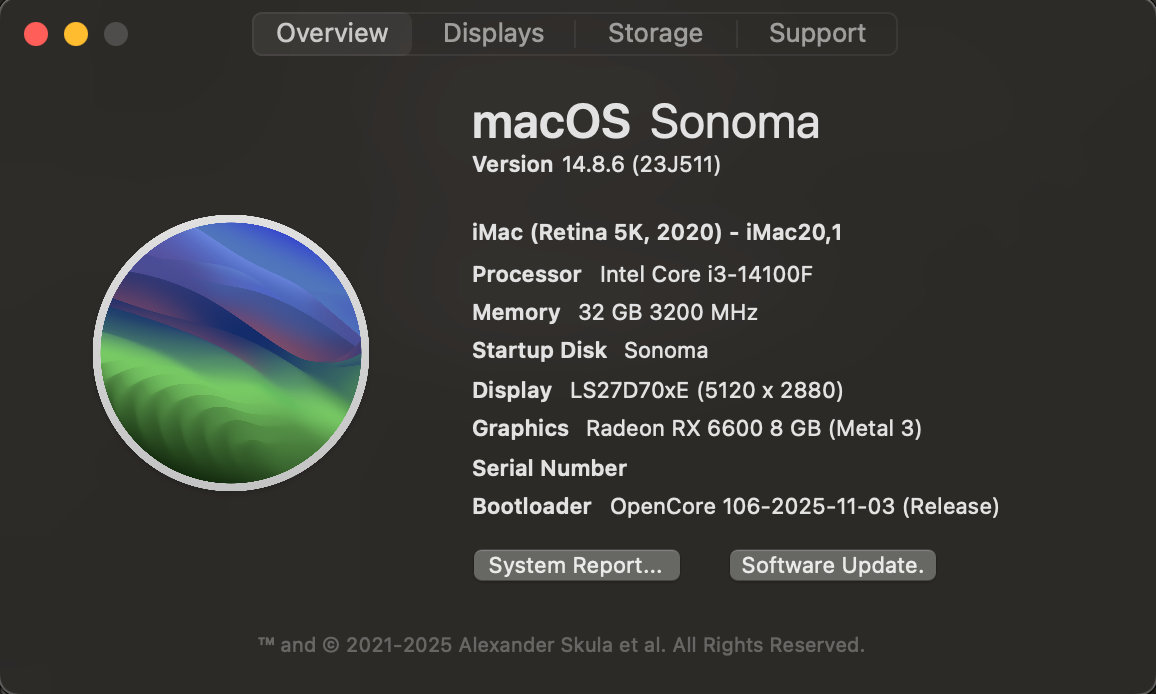
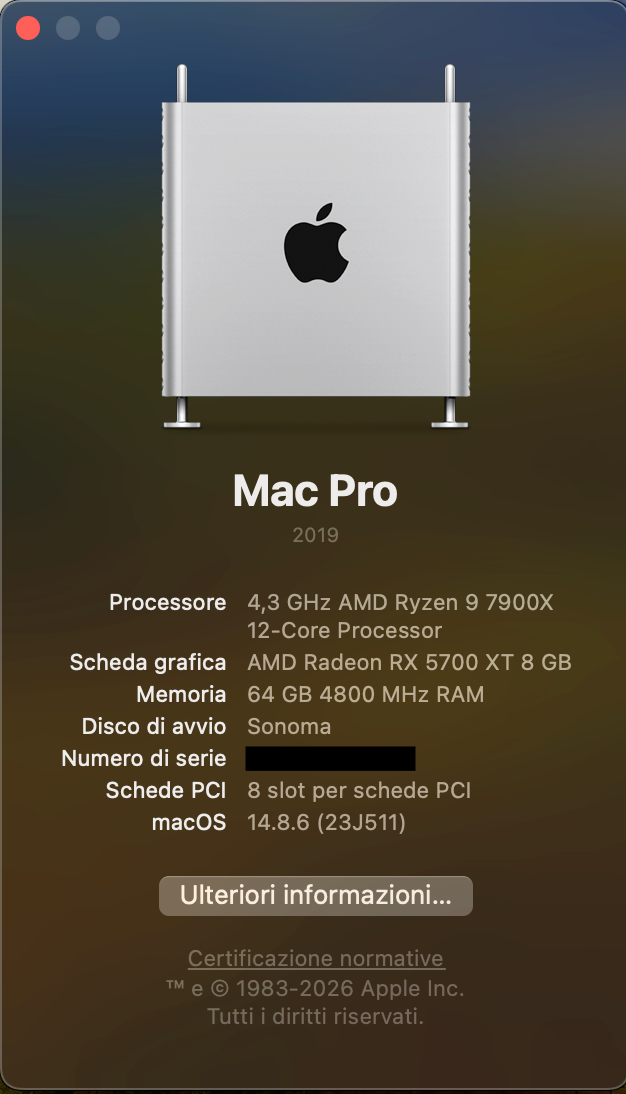
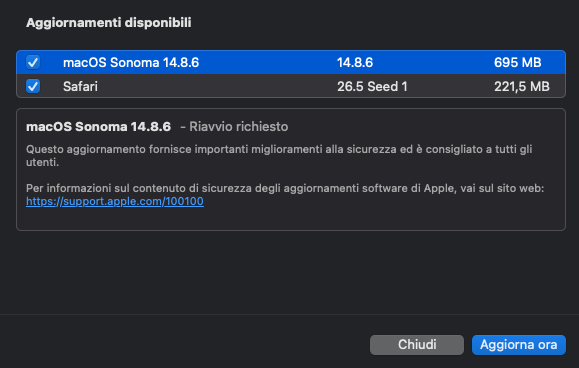
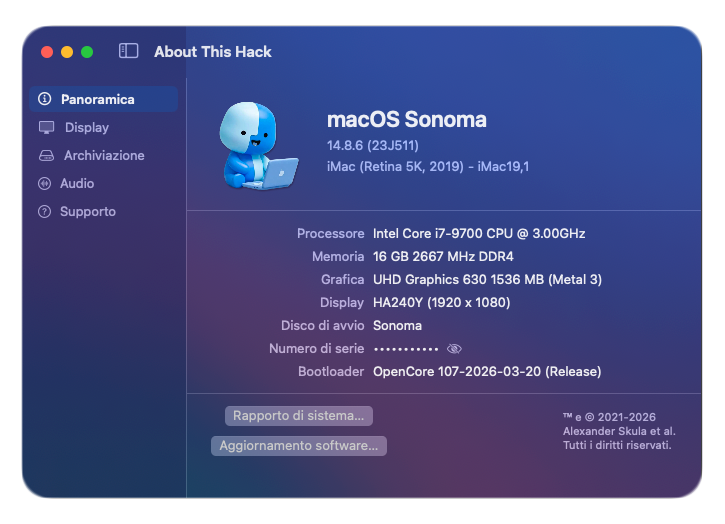
macOS Sonoma 14.8.6 (23J511)
-
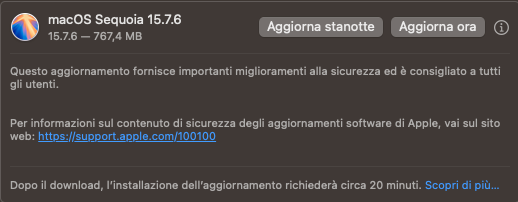
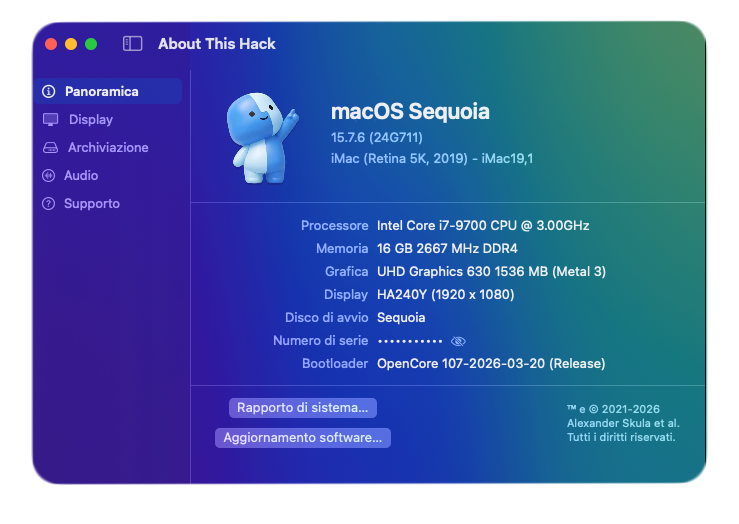
macOS Sequoia 15.7.6 (24G711)
-
 @fabiosun @carlo_67 Oggi ho analizzato l'architettura USB della mia Gigabyte GA-Z87X-UD7 TH per risolvere i fallimenti dell'Assistente Migrazione. Monitorando i flussi con USBMap, ho scoperto che la scheda madre satura il limite delle 15 porte perché utilizza degli HUB interni per gestire tutte le 6 porte posteriori e il bracket convogliandole sui canali logici HS09/10 e SS05/06). Al contrario, ho rilevato che le porte USB 3.0 frontali sono le uniche linee native dirette al chipset Intel. Per questo motivo, ho creato una mappatura custom a 11 porte di seguito la tabella con l'architettura delle USB della mia scheda madre Tabella Architettura USB - Gigabyte GA-Z87X-UD7 TH Posizione Fisica Tipo Porta ID Logico Tipo Connettore Architettura / Hub Frontale (Case) - SX USB 3.0 SS02 / HS02 USB3 (3) NATIVA DIRETTA Frontale (Case) - DX USB 3.0 SS01 / HS01 USB3 (3) NATIVA DIRETTA Frontale (Case) - SX USB 2.0 HS04 USB2 (0) NATIVA DIRETTA Frontale (Case) - DX USB 2.0 HS03 USB2 (0) NATIVA DIRETTA Interna (PCIe) Bluetooth HS05 Internal (255) NATIVA DIRETTA Retro (Alto) - L/R USB 3.0 SS05 USB3 (3) HUB INTERNO A Retro (Alto) - L/R USB 2.0 HS09 USB2 (0) HUB INTERNO A Retro (Mezzo) - L/R USB 3.0 SS05 USB3 (3) HUB INTERNO A Retro (Mezzo) - L/R USB 2.0 HS09 USB2 (0) HUB INTERNO A Retro (Basso) - L/R USB 3.0 SS06 USB3 (3) HUB INTERNO B Retro (Basso) - L/R USB 2.0 HS10 USB2 (0) HUB INTERNO B Bracket Posteriore - L/R USB 3.0 SS06 USB3 (3) HUB INTERNO B Bracket Posteriore - L/R USB 2.0 HS10 USB2 (0) HUB INTERNO B
 -
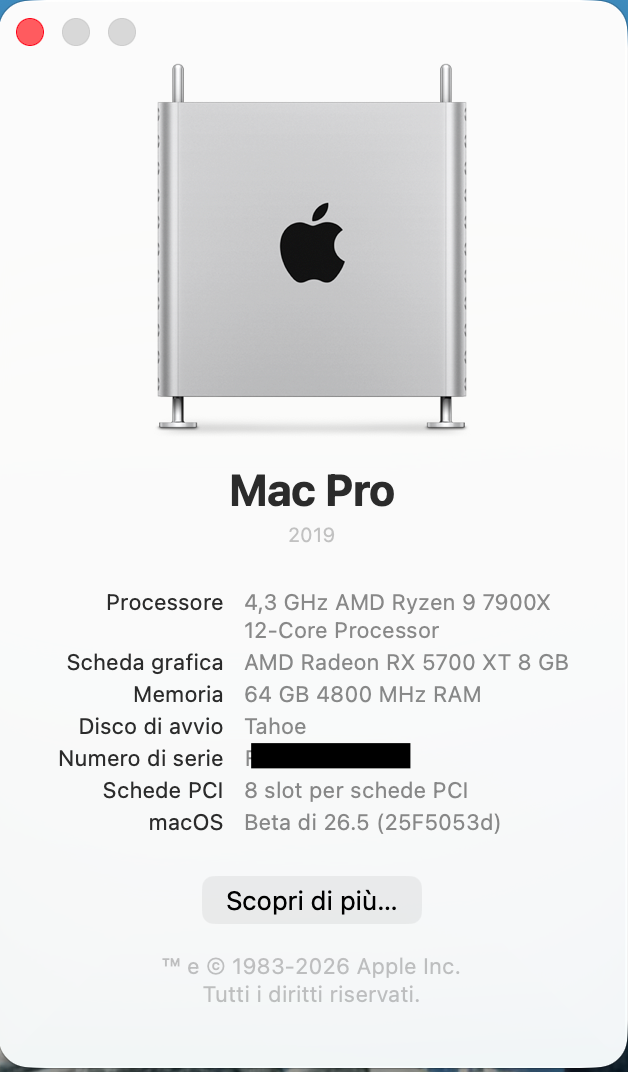
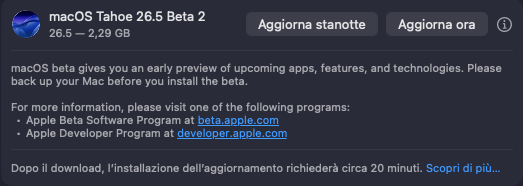
Tahoe 26.5 Beta2 (25F5053d)
-
 arsradu joined the community
 -
@fabiosun ragionandoci un po' ho fatto questo schema per la mappatura finale con un limite di 15 porte, dato che ho un solo controller sulla scheda madre, secondo te può funzionare? 6 Porte Posteriori: Tutte mappate come USB 2.0 (HS) 2 di queste 6 Porte (le prime due) Mappate anche come USB 3.0 (SS) 2 Porte del Bracket posteriore: Solo USB 2.0 (HS) 2 Porte Frontali: Solo USB 3.0 (SS) 2 Porte Frontali: Solo USB 2.0 (HS) 1 Porta Interna: Bluetooth (HS) Totale: 6 (HS) + 2 (SS) + 2 (HS) + 2 (SS) + 2 (HS) + 1 (HS) = 15 PORTE.
- Last week
-
sudo: amdfriend: command not found i get this error 😞 for me it doesnt work... do i need a kext for this command ? it was some configuration...
-
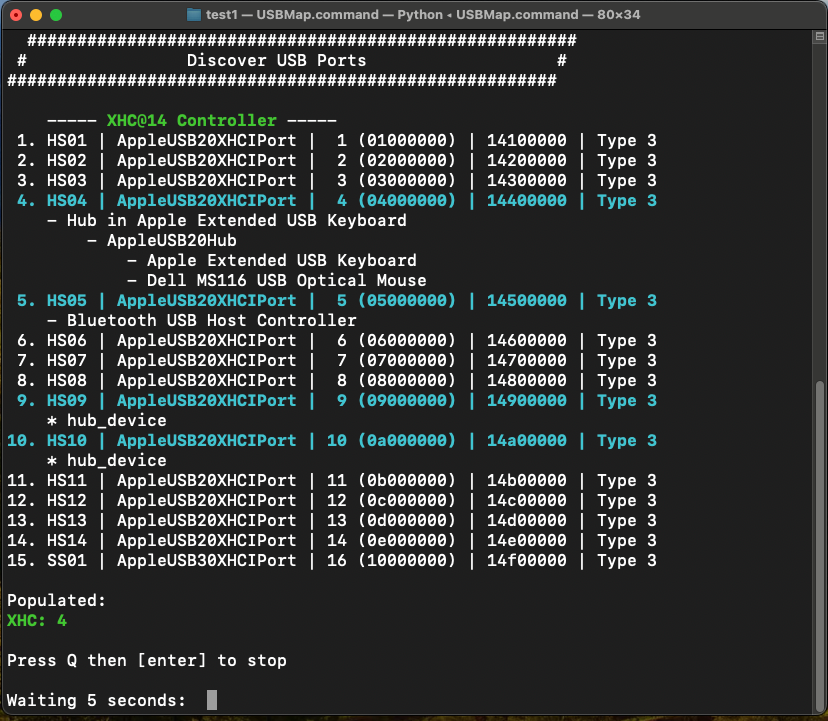
@fabiosun Questo è lo screenshot di inizio mappatura con USBMap , vede 4 porte connesse , la porta USB dedicata al bluetooth , la tastiera apple che ha un hub con due USB dove e collegato il mouse Dell, e due Hub
-
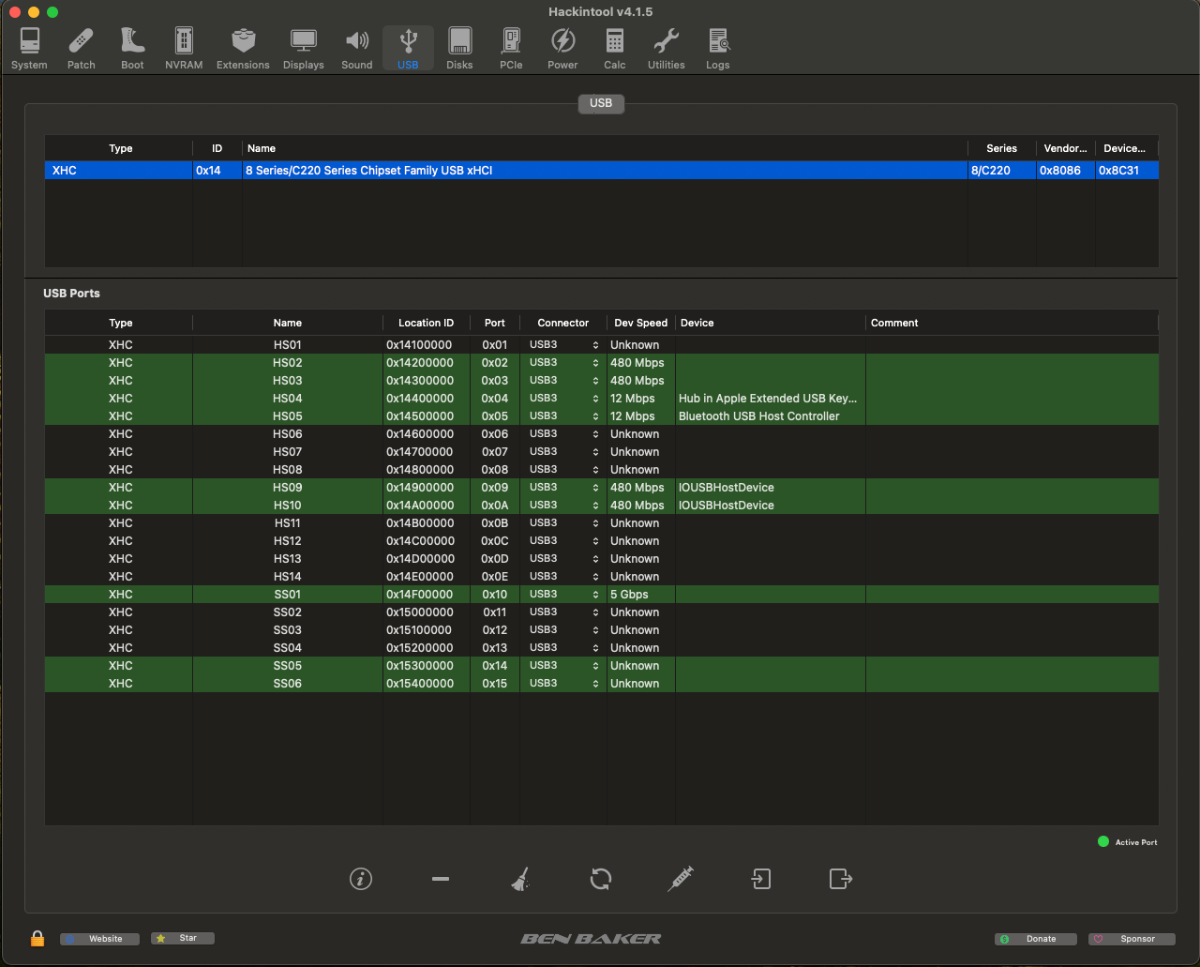
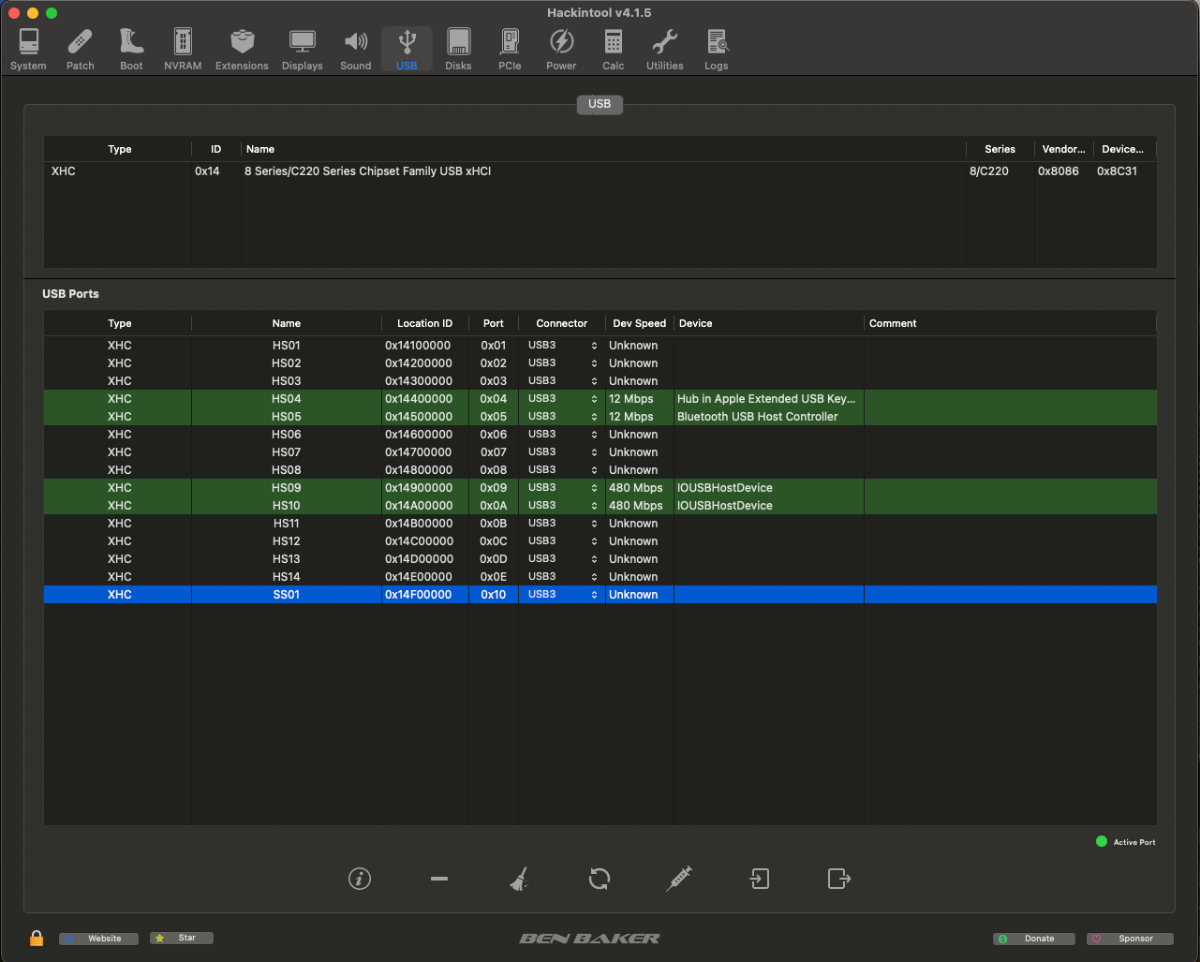
@fabiosun ecco i due screenshot Questo è prima di fare clean e refresh e vede 20 porte questo invece è dopo aver fatto clean e refresh e ne vede 15 La cosa che non capisco è perché il sistema rileva tutte le porte USB ma Hackintool invece solo quelle del pannello frontale ovvero due usb 2.0 e due USB 3.0
-
Windows 11 24H2 e 25H2 rimangono al momento le versioni raccomandate per la distribuzione in ambito enterprise. Windows 11 26H1 non supporta gli aggiornamenti hotpatch. Windows 11 26H1 non influisce sulla vostra strategia di distribuzione e acquisto di dispositivi Windows. Non c’è alcun vantaggio nell’attendere o posticipare piani di aggiornamento/migrazione in funzione della versione 26H1, a meno che non si stia già pianificando l’adozione di dispositivi con SoC compatibili con questa nuova versione. Bromine Qualcomm® Snapdragon™ X2 Plus Qualcomm® Snapdragon™ X2 Elite Qualcomm® Snapdragon™ X2 Elite Extreme
-
 Fai schermata con hackingtool
 -
@fabiosun La porta USB 2.0 interna che uso per alimentare il bluetooth della scheda wifi la posso disabilitare, dato che a me serve solo l'alimentazione e non i dati, dico bene? In questo modo risparmierei due porte sulla configurazione Queste sono le caratteristiche della scheda madre a livello USB Chipset: 2 x USB 3.0/2.0 ports (available through the internal USB header) 4 x USB 2.0/1.1 ports (available through the internal USB headers) Chipset + 2 Renesas® uPD720210 USB 3.0 Hubs: 8 x USB 3.0/2.0 ports (6 ports on the back panel, 2 ports available through the internal USB header) Se non ho capito male la mobo ha due diversi chipset USB
-
Ciao @audiomanil limite di 15 porte e' per ogni controller presente sulla piasta madre Se hai solo un controller (e te ne accorgi se non lo sai vedendo su hackintool) allora devi eliminare 5 porte che non usi o ti servono (di solito quelle interne se le hai e se non le usi per il case) se sono piu' controller potresti stare entro i limiti se hai ancora attivato xhciport limit (il quirk) toglilo e vedi se rimangono sempre 20 le porte
-
 lambda joined the community
 -
@carlo_67 @fabiosun @Anto65 sono riuscito finalmente a fare la mappatura, però ho un problema e un dubbio : le porte attive della mappatura tra USB 3.0 e USB 2.0 sono in totale 20 quindi superano le 15 massime disponibili, come devo gestire questa cosa? Che criterio devo usare per scegliere le porte da disabilitare per arrivare alla soglia di 15 massime ?
-
Hi all - just wanted to let you know about my experience updating from Big Sur to Sequoia on one of my Lenovo m93p tiny haswell thin clients. I love these small PCs (use one as a Windows 10 daily driver) and I also modded 2 to add msata ports to the motherboard to double HDD capacity - one became a NAS and the other became my Hackintosh. Full YouTube walkthrough is here - please take a look and let me know how you get on! Big Sur to Sequoia Update
-
Hi - just came across this forum and thought I'd join as I've just got into the hackintosh scene and finding it an adventure!